
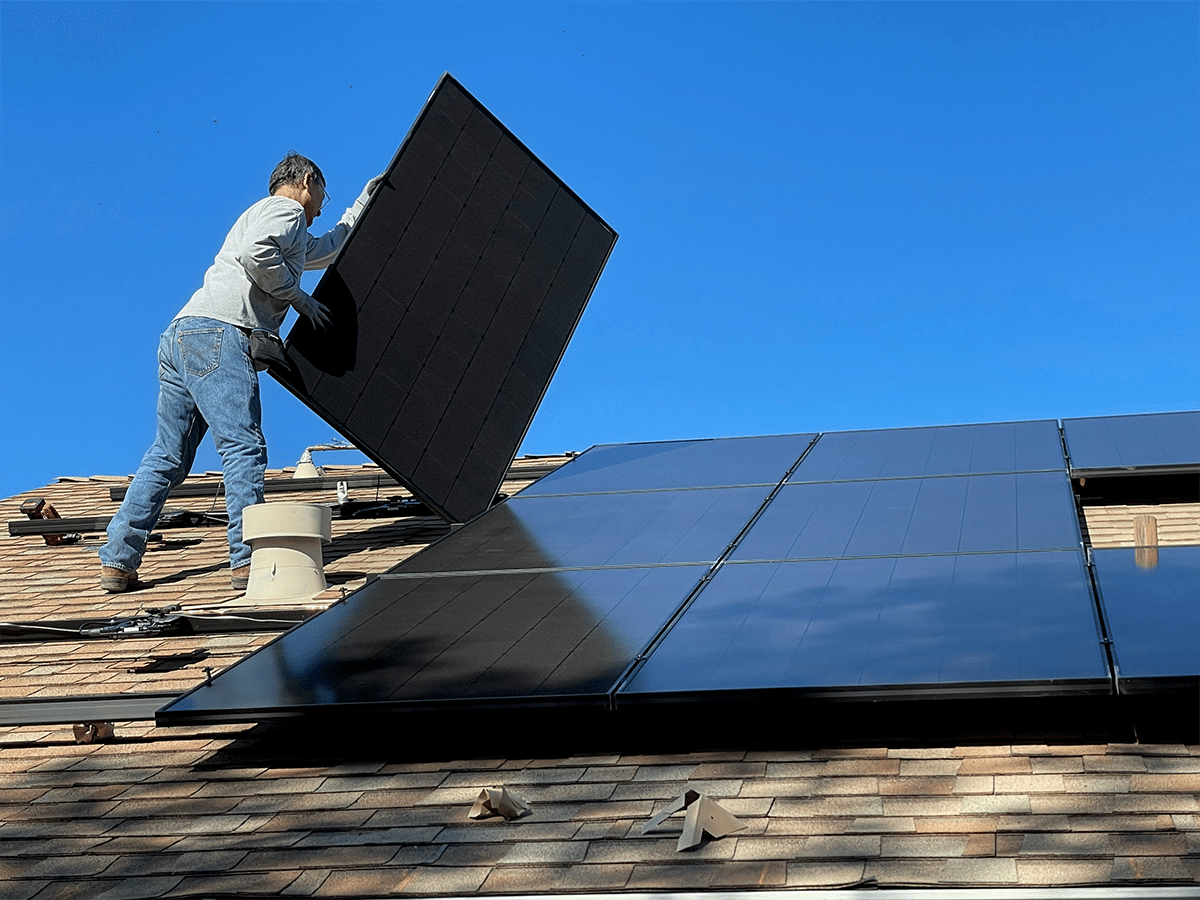
As solar energy becomes more popular, homeowners are increasingly asking an important question: what type of roof works best for solar panels? The answer depends on several factors, including durability, material, slope, and ease of installation. Choosing the right roofing type can maximize energy efficiency while minimizing long-term maintenance costs.
Not all roofing materials are the best choice for solar panels. Here’s a guide to help you determine if your roof is ready for solar.
Common and Practical: Asphalt Shingles
One of the most solar-friendly roofing materials is asphalt shingles. These are the most common roofing types in the United States, making them a practical choice for solar installations. Asphalt shingles are relatively easy to work with, allowing installers to mount panels quickly and securely. They are also cost-effective, which is appealing for homeowners already investing in solar technology.
Durable and Long-Lasting: Metal Roofing
Metal roofing is another excellent option. Known for its durability and longevity, metal roofs can last 40 to 70 years, often longer than the solar panels themselves. Standing-seam metal roofs are especially well-suited because installers can attach solar panel mounts without drilling holes, reducing the risk of leaks. This makes metal roofing both a sustainable and low-maintenance choice.
Challenging but Workable: Tile Roofs
Tile roofs, such as clay or concrete tiles, are also compatible with solar panels, but they present more challenges. These materials are more fragile and require specialized installation techniques, which can increase labor costs. However, with the right expertise, tile roofs can still support efficient solar systems.
Not Recommended: Wood Shake
Wood shake roofs, on the other hand, are generally not recommended for solar panels. They pose fire risks and are less durable over time, which can complicate installation and maintenance. Similarly, slate roofs, while extremely durable, are heavy and brittle, making solar installation more complex and expensive.
Condition and Orientation Are Key
Beyond material, roof condition and orientation are critical. A roof should be in good shape before installing solar panels, as removing and reinstalling panels for repairs can be costly. South-facing roofs with a slope between 15 and 40 degrees typically receive the most sunlight, optimizing energy production.
Is Your Roofing Ready for Solar? Ask Sunday Energy to Find Out!
Generally speaking, asphalt shingles and metal roofs are often the best choices for solar panel installations due to their durability, affordability, and ease of installation. However, nearly any roof type can support solar panels with proper planning and professional guidance. Before moving forward, it’s wise to consult with both a roofing expert and a solar installer to ensure your roof is ready to harness the power of the sun.